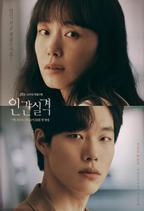
A depressed married woman meets a depressed younger man, and together they try to survive their depression.
Lost consists of 16 episodes. In the lead role, we find my favorite actress, Jeon Do-yeon. And of course, she’s great in Lost. She can act with just her eyes, and you can immediately see how talented she is. She’s an actress who doesn’t need to speak to convey emotion.
I won’t say Lost is a series for everyone because it’s a real slow-burner. It takes its time, and it never feeds you with a teaspoon. It’s about depression, love, hate, frustration—and of course, death.
The protagonist, played by Jeon Do-yeon, is depressed after a confrontation with an actress led to her losing her job, and she also lost her unborn child. She hasn’t told her husband or father about losing her job, and she’s picked up a job she’s ashamed of just to make ends meet. She has a great relationship with her father, but the old man has started to forget things. She doesn’t talk much with her husband, whom she can’t trust because he’s a ladies’ man. An old flame of his shows up again, which confuses him even more.
The protagonist meets a young man who’s also depressed after his friend said goodbye to the world. His job is to rent himself out to people who need someone to play a role in their lives. If you need a boyfriend, he’ll play your boyfriend. But honestly, the guy needs a haircut and should ditch that ugly lipstick.
Even though this is a dark and depressing series, it has some charm in certain scenes—especially with the trio of friends and their dynamic. They’re the light in the dark tunnel. That said, I didn’t care much for them, even though the woman was smoking hot. And you know I love hot, superficial South Korean women—don’t you?
Even though Lost is a dark series, I wanted it to be darker. It’s sad, and it’ll pull on your heartstrings, but I wish it had gone further—grittier and more painful. So I was a little disappointed in that regard.
The acting is excellent, and most of the cast delivers the goods—except I’m not a fan of the actress who plays the old hag. She plays such a silly character, and I understand what the series is trying to say about her and how she views the world—especially the father of her daughter-in-law. But she felt out of place, especially when you compare her to how the protagonist’s father is written. That’s how you write a character who loves his daughter. He feels real and full of warmth—someone you’ll genuinely like and sympathize with. He’s just a good man.
The relationship between the protagonist and her husband is dead. There’s no chemistry, and you wonder why they’re still married and living together when they don’t feel anything for each other anymore. But they keep up the façade, like many couples do.
Lost is a series for grown-ups—not your average K-drama fans who won’t have the patience for a slow-burn series like this. It’s not a perfect show because, again, I wanted it to be darker and more painful. That edge you find in many South Korean movies was missing here. And toward the final episodes, I felt some of the character arcs were rushed—especially the evil actress and her loser of a man, who’s an abuser of women. I get the message, but after 16 episodes, I expected that character to be punished. I was sure someone would be the punisher. But that never happens.